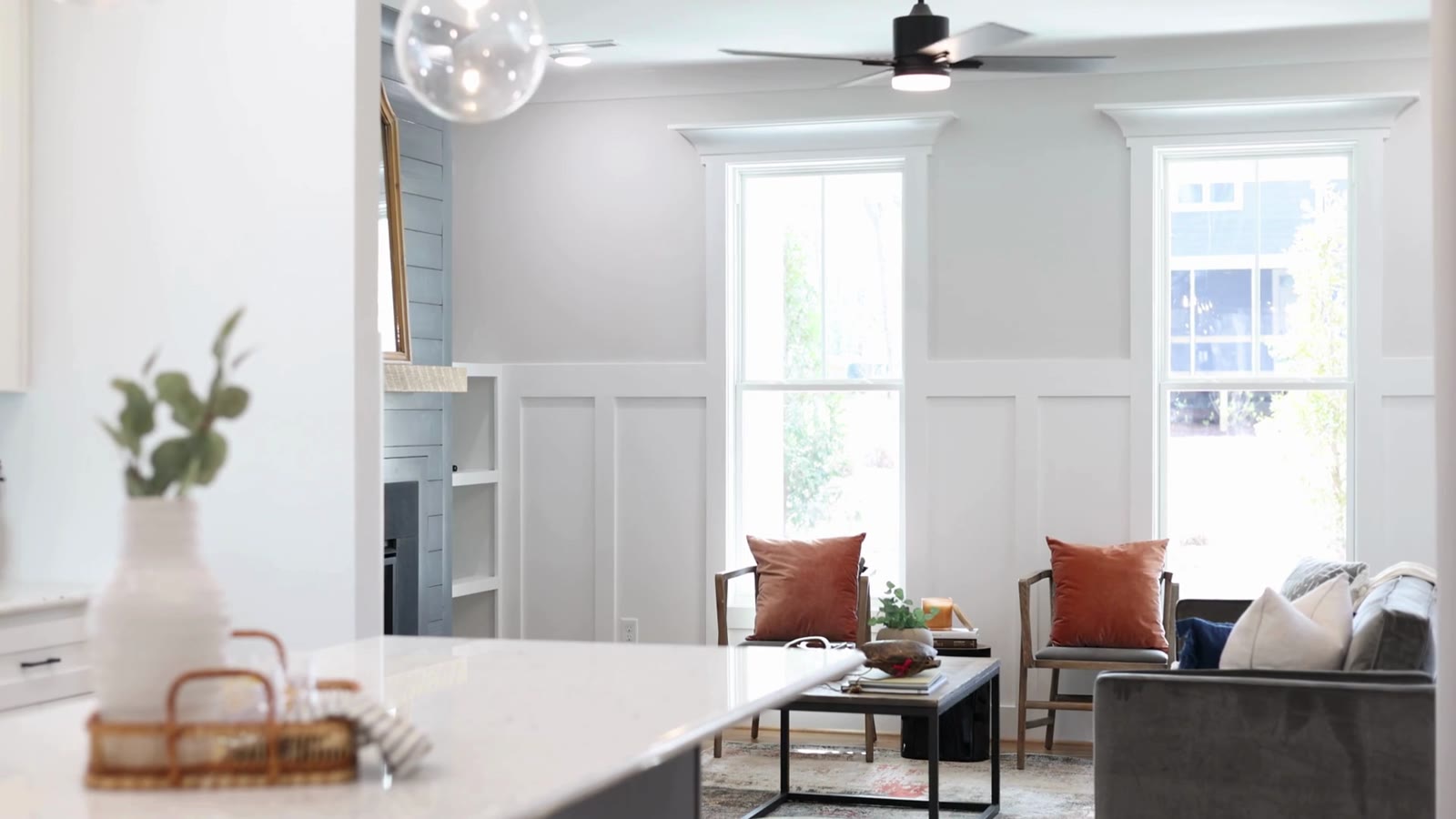
How a home is prepared shapes the first impression, the photos, the showings and, often, the final price. This guide covers what I walk through with sellers before we list: what’s worth fixing, what to skip, how pricing works and how the weeks before listing usually unfold.
Start with a walkthrough
Before you spend money on anything, let’s walk through your home together. I’ll look at it the way a buyer and an inspector will, and give you a short, practical list. It’s much easier to plan once you know which items matter and which don’t.
Repairs: what’s worth doing
Buyers and their inspectors notice anything that suggests a bigger problem. These are usually worth handling before you list:
- Leaks, water stains and anything that suggests moisture.
- Electrical or plumbing items that don’t work as they should.
- Roof, gutters and drainage concerns.
- Broken windows, doors that stick, missing smoke detectors.
- Air-conditioning service, especially in a Texas summer.
Some updates rarely pay for themselves right before a sale, such as a full kitchen remodel or new flooring throughout. I’ll tell you honestly which is which for your home and your price range.
What I tell my clients“Fix what worries a buyer. Clean what distracts them. Skip what they’d want to choose themselves.”
Declutter and pack early
You’re moving anyway, so start now. Less in each room makes it look larger and photograph better.
- Clear countertops, bookshelves and the tops of dressers.
- Pack away personal photos, collections and most decor.
- Thin out closets and the garage. Buyers open everything.
- Store extra furniture so each room has a clear purpose and an easy path through it.
Clean, light and fresh
A deep clean, fresh air filters, working light bulbs and open blinds make a bigger difference than most upgrades. Touch-up paint in a neutral color goes a long way where walls are scuffed or bold.
Curb appeal
Buyers decide a lot before they open the front door, both in person and in the first listing photo.
- Mow, edge, trim shrubs and add fresh mulch.
- Clean or paint the front door and replace worn hardware.
- Make house numbers easy to read and the entry well lit.
- Power-wash the driveway, walkway and porch.
Staging
If your home will be vacant, we talk about whether staging makes sense. Staging helps buyers picture themselves in each room, and it shows in the photos.
How pricing works
I start with recent sales of homes like yours nearby, then look at what buyers can choose from right now, which homes are under contract, and which ones didn’t sell, and why. Then I adjust for your home’s condition, updates, lot and location within the neighborhood.
You get a price range, the homes I compared yours to, and my reasoning. Then we choose the list price together. Pricing right from the first day matters, because a home gets the most attention in its first weeks on the market.
Paperwork to gather
- Your Seller’s Disclosure Notice. I’ll give you the form; you complete it based on what you know.
- Your existing survey, if you have one, and your HOA contact information.
- Receipts or warranties for recent work, such as a roof, HVAC system or water heater.
- Your mortgage payoff information.
A typical timeline
- Weeks 1 to 2: Walkthrough, repair plan, start decluttering.
- Weeks 2 to 4: Repairs, cleaning, curb appeal, pricing review.
- Final week: Professional photos, and staging if the home is vacant. The listing goes live.
Every home is different. Some are ready in a few days, others need more time. We’ll set the pace together.